

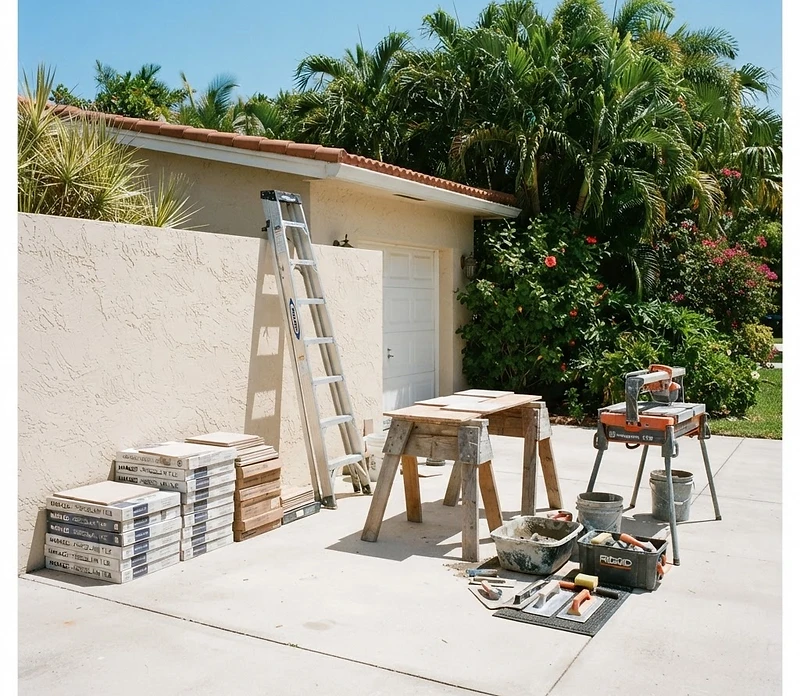
Independent contractors
Independent Contractors for Focused Projects
Independent tradespeople and specialty contractors — often faster and more cost-effective than a general contractor when your scope is clear.
Find a ContractorSpecialty trades
What Independent Contractors Do
If your project is a single, well-defined scope, a specialist is usually the right hire.
Which do you need?
Independent Contractor or Local Company?
Neither is better — they fit different projects. Here's the practical difference.
Scope of work
Local company
Multiple trades and rooms, coordinated under one contract.
Independent contractor
A single trade or system with a clearly defined start and finish.
Who you deal with
Local company
An office, a project manager and a crew — several points of contact.
Independent contractor
Usually the person doing the work, or a small team they lead.
Best fit
Local company
Full remodels, additions, whole-home renovations, multi-phase work.
Independent contractor
Roofs, re-pipes, panels, flooring, painting, impact windows, one-off repairs.
Before you hire
What to Verify on Every Contractor
A license number you have actually checked is the single most valuable thing you can have before work begins.
An active state license
Ask for the license number and confirm it is current — and that it matches the legal name on your contract, not just a similar business name. Many trades also require county or city approval to pull permits.
Insurance on file
General liability and workers' compensation. Ask for a certificate of insurance and confirm the policy dates cover your project window. If an uninsured worker is hurt on your property, the cost can fall to you.
A real local track record
A verifiable local address, references from projects similar to yours, and a history of working in your county. Ask for two or three recent customers you can actually call.
A written, itemized scope
Scope, materials and brands, timeline, and how change orders are priced — all in writing before any deposit changes hands. A one-line quote is not a scope.
Willingness to pull permits
Permits and inspections confirm the work meets code and protect your home's resale value. A professional who suggests skipping a permit to save time is a warning sign, not a shortcut.
Sensible payment terms
A small deposit, progress payments tied to completed milestones, and nothing close to full payment up front. Large cash requests before work begins are the single most common way homeowners get hurt.
Questions
Working With Independent Contractors
Are independent contractors licensed in Florida?
Many are. Florida requires state certification or registration for most construction trades, and some counties require an additional local license on top of that. Always ask for the license number and confirm it is active before work starts.
When is an independent contractor the right choice?
When your project is a single, well-defined scope — a roof, a re-pipe, a floor, a paint job — a specialist is often faster and more cost-effective than a general contractor, and easier to compare on price.
What about small handyman jobs?
Minor repairs may not require a licensed contractor, but any work involving structural, electrical, plumbing, roofing or permitting generally does. If someone offers to skip the permit, treat it as a warning sign rather than a favour.
How should I pay a contractor?
Keep deposits small, pay in stages tied to completed milestones, and never pay in full before the work is finished and inspected. Get the payment schedule written into the contract.
What if a contractor stops responding?
Start with our Deal Gone Bad guide, which walks through the steps to protect yourself and the official places to file a complaint in your county.
Get matched
Find a Locally Vetted Contractor
Tell us what you need done and we'll help you take the next step.

